

If you’ve ever wondered what is the best food for dairy cows, You are in the right place. Milk production is a key piece in the scheme of global agriculture, not only because of its economic value, but also because of its fundamental role in our diet. However, increasing milk production in a sustainable and efficient way is a challenge that many producers face every day. This is where a crucial question comes into play: how can we increase milk production in our cows without compromising quality or animal welfare?
In this article we want to share with you the best diet for dairy cows: hydroponic fodder. This innovative method is not only an answer to our nutrition questions, but it is also a sustainable solution that can change the game in milk production. With benefits ranging from improvement of milk quality and quantity to an important reduction of environmental impact, hydroponic fodder is paving the way to a greener, more productive future in agriculture.
We invite you to join us to learn about the nutritional benefits that hydroponic forage offers, and how its implementation achieves increased milk production in a very notable way. So, if you are looking to improve your milk production, while maintaining a commitment to sustainability and innovation, you are interested in discovering the potential of hydroponic fodder. Let’s start!
Nutritional requirements of a dairy cow
First of all, it is essential to know the nutritional requirements of cows and how these directly impact your ability to produce high-quality milk in sufficient quantity. Dairy cows, those incredible beings that form an essential part of our food chain, need a carefully balanced diet to reach their maximum productive potential. In Smart Fodder Farm, as experts in systems for producing hydroponic fodder for livestock, we know that a well-balanced diet, rich in essential nutrients, not only increases milk production but also influences the general health of livestock, their well-being and their reproductive capacity. .
Carbohydrates: The Fuel of Production
Carbohydrates are, without a doubt, the most critical components of a dairy cow’s diet. It is the fuel that allows the cow to sustain its basic metabolism, move, and of course,produce milk. A deficiency in caloric intake can lead to a use up of body fat reserves, reducing milk production and negatively affecting the health of the cow. The inclusion of hydroponic forage in the diet ensures a constant and efficient source of energy, thus optimizing milk production.
Proteins: The Elements of Life
Proteins are another essential component in dairy cow nutrition. Not only are they crucial for the maintenance and repair of body tissues, but they are also essential for milk production and calf growth. Hydroponic forage, especially that which is rich in legumes such as alfalfa, offers a source of high-quality protein that is easily digested and absorbed by cows.
Fiber: Keeping the System Moving
Fiber plays a vital role in the digestive health of cows, stimulating rumination and helping to maintain an optimal rumen function. An adequate supply of dietary fiber ensures that the cow can maximize the extraction of nutrients from its feed, which is essential for efficient milk production. Hydroponic forage, with its texture and composition, is an excellent source of fiber.
Vitamins and Minerals: Small but Powerful
Vitamins and minerals are essential components that support a wide range of biological functions, including reproduction, the health of the immune system and the production of milk production. Correct supplementation of these nutrients is essential to ensure optimal milk production and the general health of the cow. Hydroponic forage can be enriched or naturally rich in these essential elements, providing a comprehensive solution to the nutritional needs of livestock.
Water: The Forgotten Nutrient
Last but not least is water. It is often overlooked, but it is the most critical nutrient. A dairy cow can consume between 30 to 50 liters of water per day, depending on your level of milk production and environmental conditions. Constant access to clean, fresh water is essential to maintain milk production and the overall health of the cow.
Key Factors Affecting Milk Production
After understanding the nutritional requirements of a dairy cow, it is crucial to address the various factors that influence its milk production. This not only depends on the quality of the feed, but also on a series of interconnected elements that can significantly affect both the quantity and quality of the milk produced. We explain some of these key factors to get a more complete view of how we can optimize dairy production.
1. Genetics of the Dairy Cow
Genetics plays a fundamental role in the productive capacity of dairy cows. Some breeds are predisposed to produce larger quantities of milk than others, while certain genetic lines may excel in milk quality, for example, its fat or protein content. Careful genetic selection and reproductive management are essential to improve these aspects.
2. Proper Nutrition
As we mentioned above, proper nutrition is essential. The quality and quantity of the diet directly impact milk production. A balanced diet that covers all the nutritional requirements of the cow will not only increase milk production, but also improve its general health and longevity.
3. Animal Management and Welfare
The environment in which dairy cows live and how they are treated significantly affect their milk production. Factors such as thermal comfort, availability of sufficient space, and gentle and respectful handling contribute to reducing stress in livestock. Less stressed cows are healthier and therefore more productive.
4. Herd Health
Herd health is another critical factor. Diseases, both infectious and non-infectious, can decrease milk production by affecting the well-being of cows and their ability to feed properly. A well-designed and executed herd health program, including vaccination, parasite control, and biosecurity measures, is vital.
5. Milking Practices
Milking frequency and technique also have a large impact on the amount of milk produced. Consistent and efficient milking practices can help maximize milk production, while improper handling during milking can cause cow stress and decrease production.
6. Environmental Conditions
Finally, environmental conditions, including climate and air quality, influence milk production. Extreme temperatures, whether high or low, can stress cows and affect their milk production. Providing a controlled environment or measures to mitigate heat stress can have a significant positive effect.
Understanding and managing these factors effectively is essential for any producer seeking to maximize their herd’s milk production in a sustainable manner. In the next section, we will delve into how hydroponic fodder presents itself as an innovative and effective solution to address several of these challenges, especially when it comes to animal nutrition and well-being.
Benefits of Hydroponic Forage
Hydroponic fodder offers a number of benefits relevant to milk production and agricultural sustainability. By adopting this method, at Smart Fodder Farm, as suppliers of hydroponic fodder systems for livestock feeding, we have experienced how dairy farms advance by increasing milk production, improving livestock management and environmental management.
Improvement in Milk Quality and Quantity
Hydroponic fodder provides a rich and balanced diet for cattle, which directly translates into an improvement in the quality of the milk produced. Essential nutrients, such as proteins, vitamins and minerals, are more bioavailable in hydroponic forage, leading to an increase in the fat and protein content of milk, key elements for the dairy industry. Additionally, optimal nutrition increases the amount of milk each cow produces, thus optimizing livestock productivity.
Livestock Stress Reduction
Hydroponic forage, being fresh and easily digestible, can contribute significantly to reducing stress in livestock. This not only improves the well-being and health of the cows, but also has a positive impact on their productive performance.Cows Less stressed they tend to produce more milk and of better quality.
Efficient Use of Water and Space
One of the most notable advantages of hydroponic growing is its efficiency in water use. By recirculating the water used, this system can save up to 90% of water compared to traditional agriculture. Additionally, by requiring no soil and being able to be stacked in vertical layers, hydroponic fodder optimizes the use of space, a crucial advantage in areas with land limitations.
Sustainability and Reduction of Environmental Impact
Growing hydroponic fodder minimizes the need for cropland, contributing to the reduction of deforestation and soil degradation. Furthermore, by using less water and not requiring pesticides or herbicides, this method reduces the contamination of water courses and soils, offering a more sustainable and environmentally friendly alternative.
Production All Year
Controlling the growing environment allows for year-round hydroponic forage production, regardless of outside weather conditions. This ensures a constant source of fresh, nutritious feed for livestock, eliminating seasonal fluctuations in forage availability and quality.
Potential for Areas with Agricultural Limitations
Hydroponic fodder offers an ideal solution for regions with poor soils or adverse climatic conditions for traditional agriculture. This technology provides the possibility of producing high-quality forage in places where it was previously difficult or impossible, opening new opportunities for local food production and reducing the carbon footprint associated with the transportation of forage.
Flexibility and Scalability
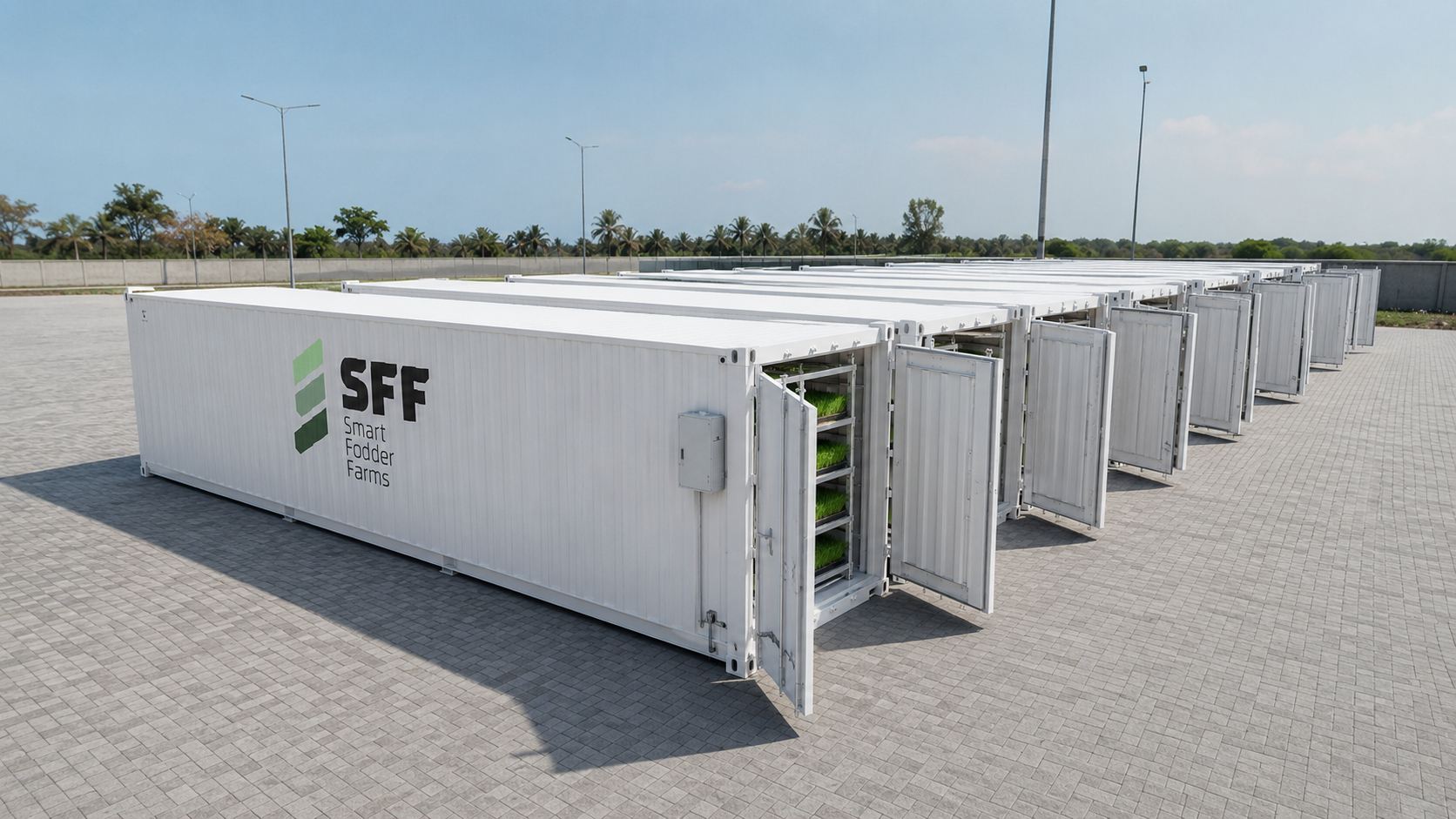
From small family farms to large commercial operations, hydroponic fodder adapts to different scales of production. Its implementation can be adjusted according to the specific needs and available resources of each farm, offering a flexible and scalable solution to improve livestock nutrition. At Smart Fodder Farm we can install practical hydroponic fodder production containers until hydroponic fodder factories for large farms.
If you are interested in improving your farm’s milk production, while ensuring sustainability and efficiency, we invite you to contactar con Smart Fodder Farm. Our team of experts is ready to provide you with all the information you need about our hydroponic forage systems and how they can be tailored to the specific needs of your operation.